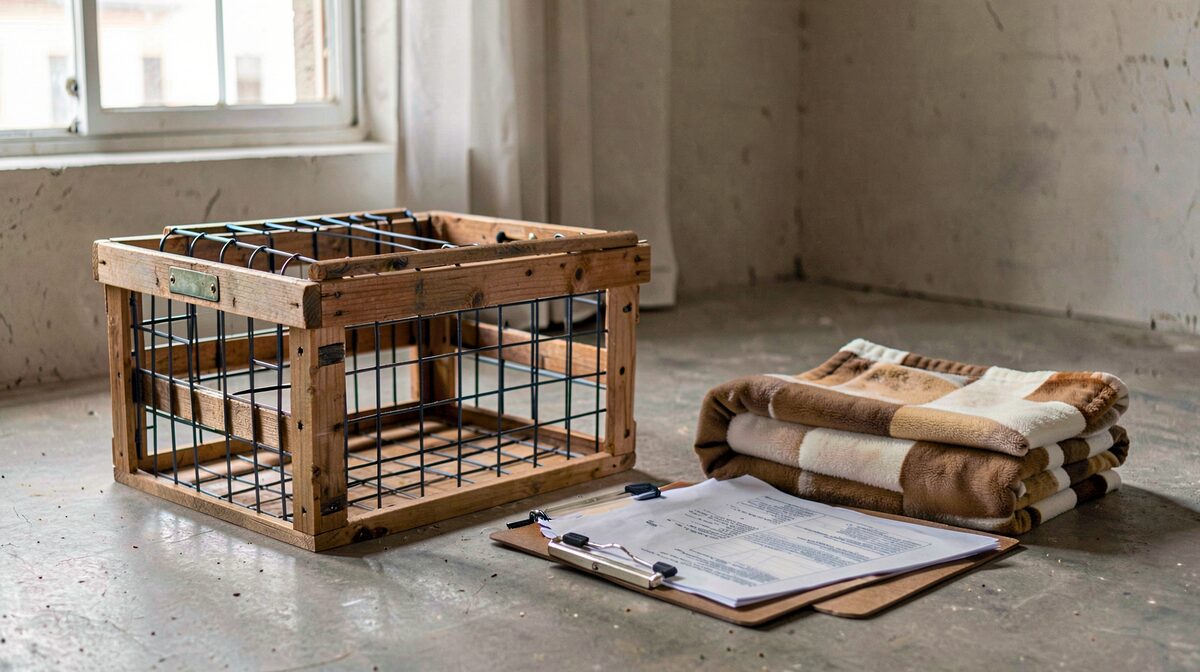
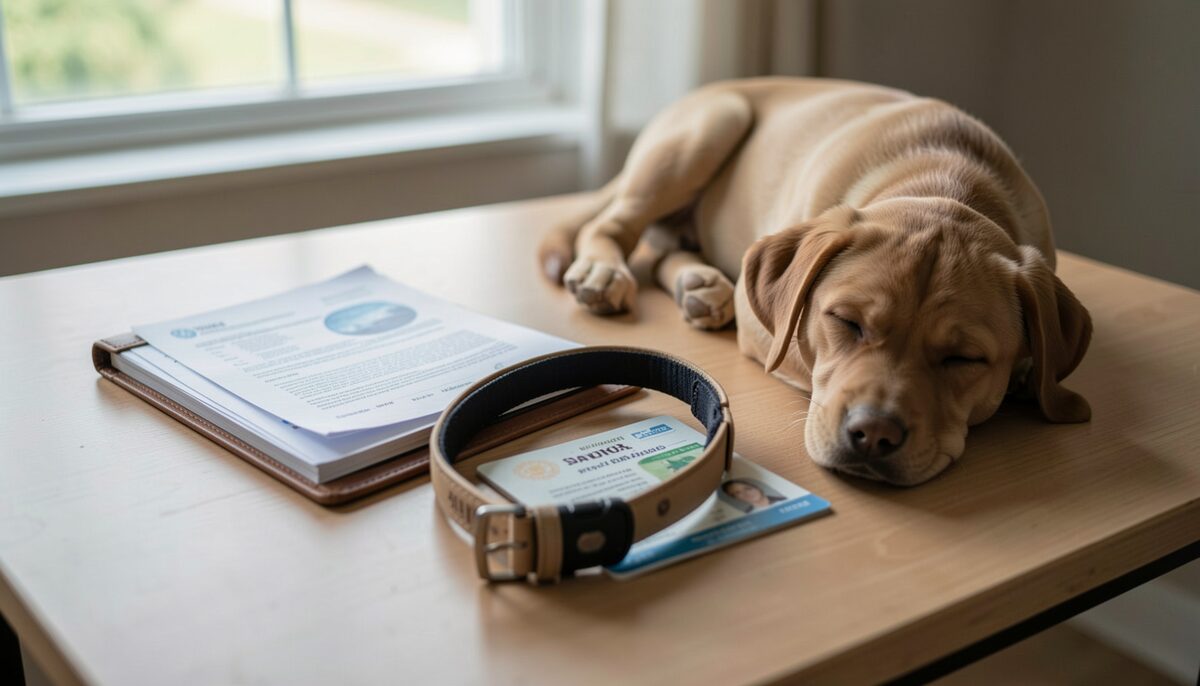
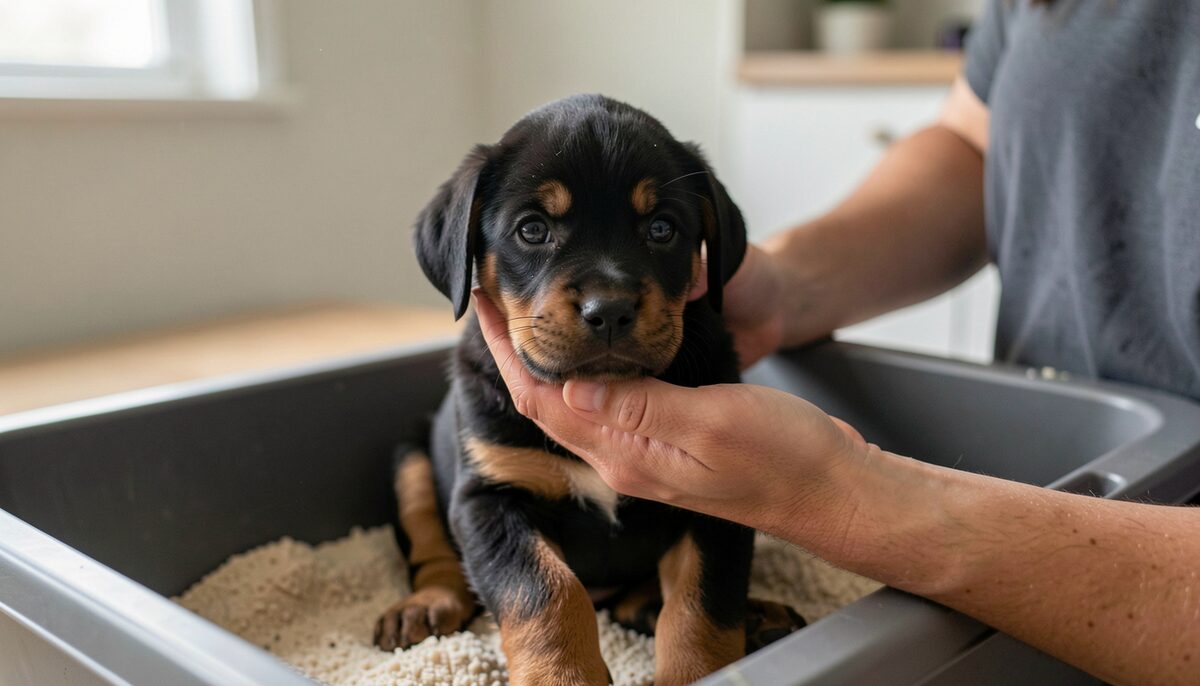
How a breeder prepares a Rottweiler puppy for export: microchip, rabies titre, health certificate timing, crate training, compared with air travel for horses.
What changes on a Rottweiler's feeding sheet from the whelping box to the senior years, and why how fast a puppy grows matters more than how much it weighs at any one date.
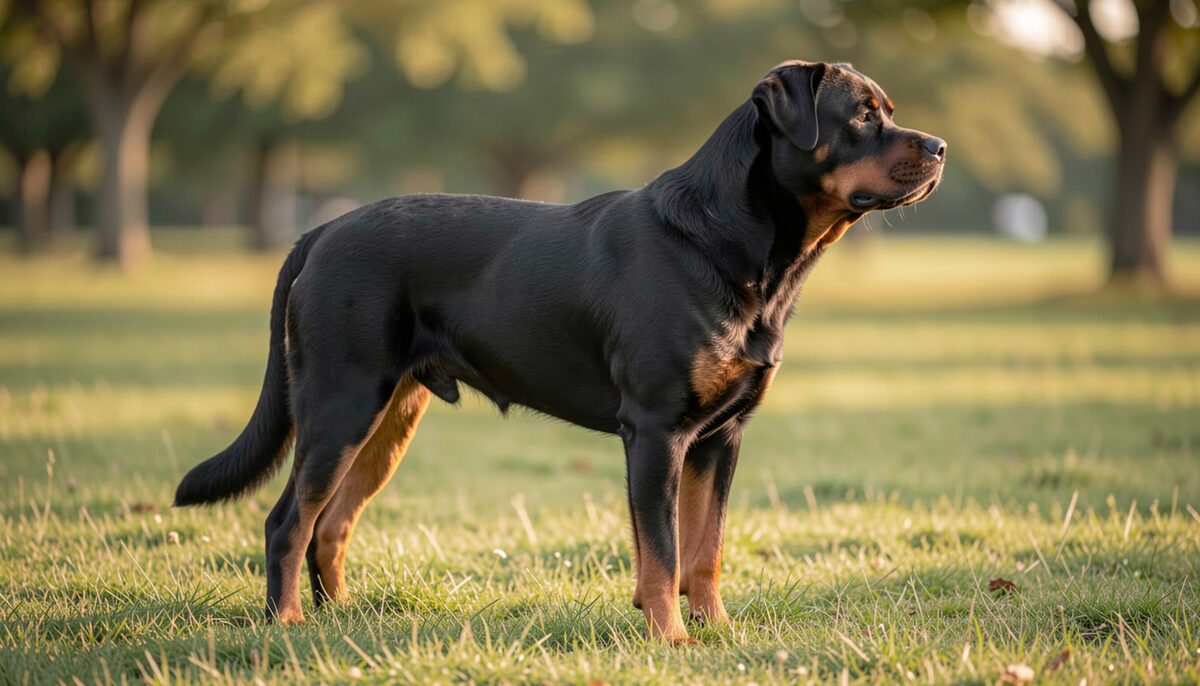
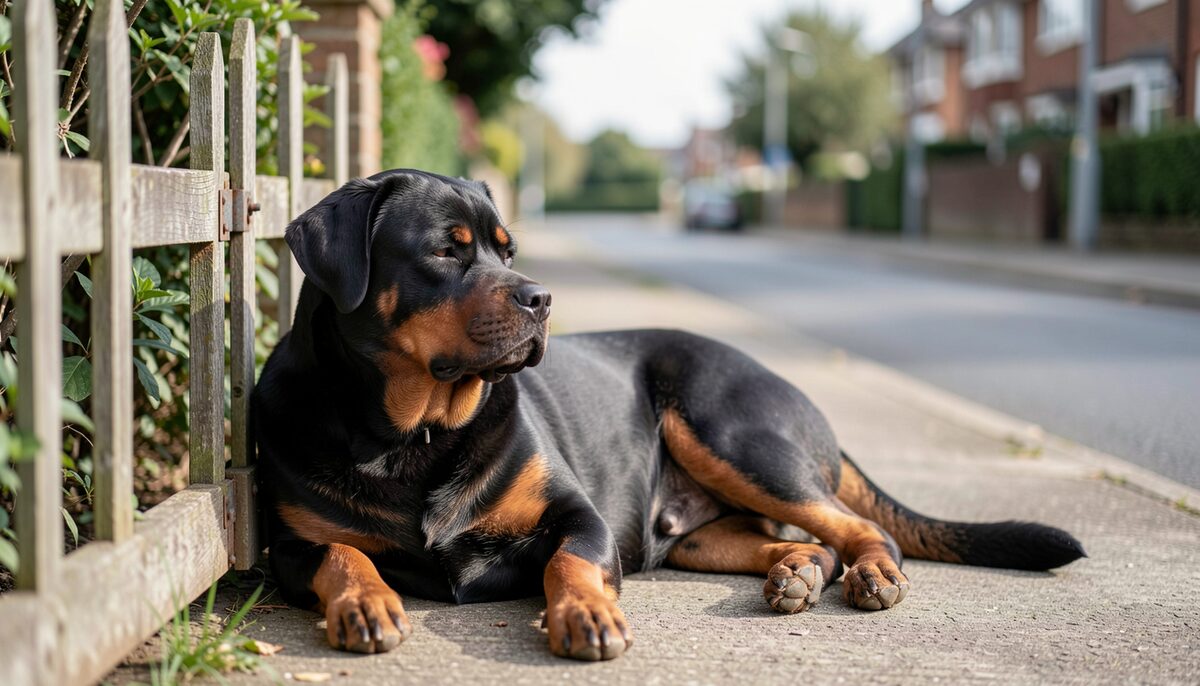
The standard's height range for males and females, the adult weight a Rottweiler typically reaches, and why a breed this size is not finished growing on its first birthday.
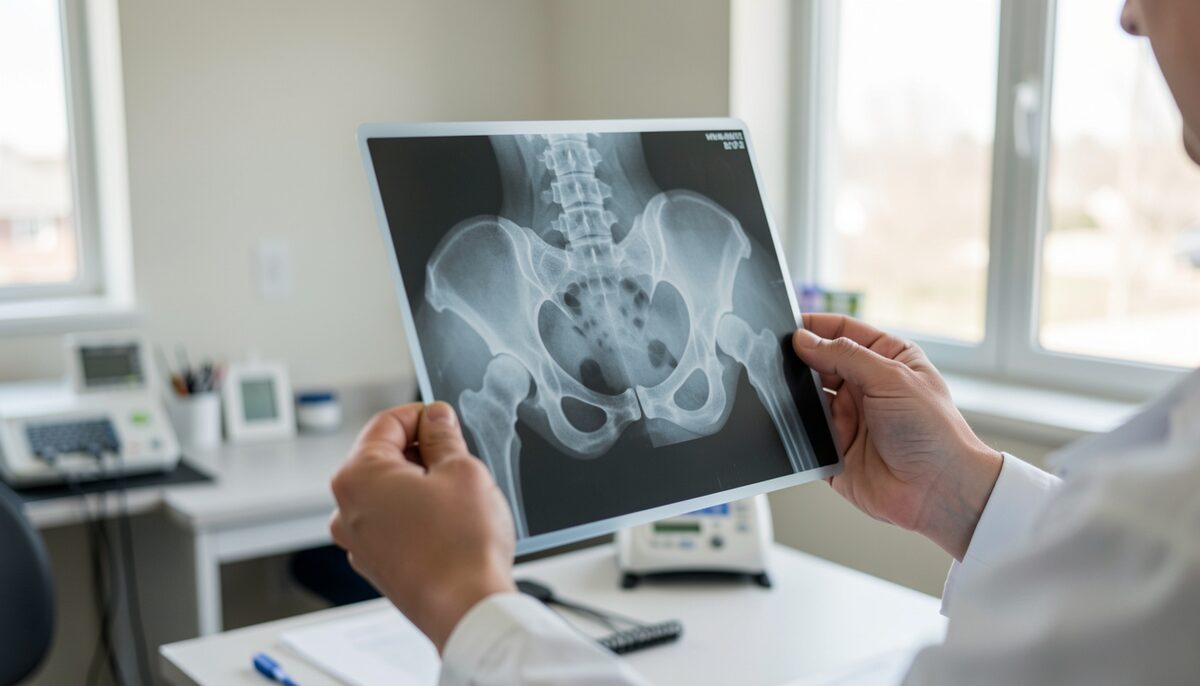
Rottweilers are bred on hips, elbows, a DNA test for JLPP and dated heart and eye exams. What each result says, and the papers a buyer should ask to see.
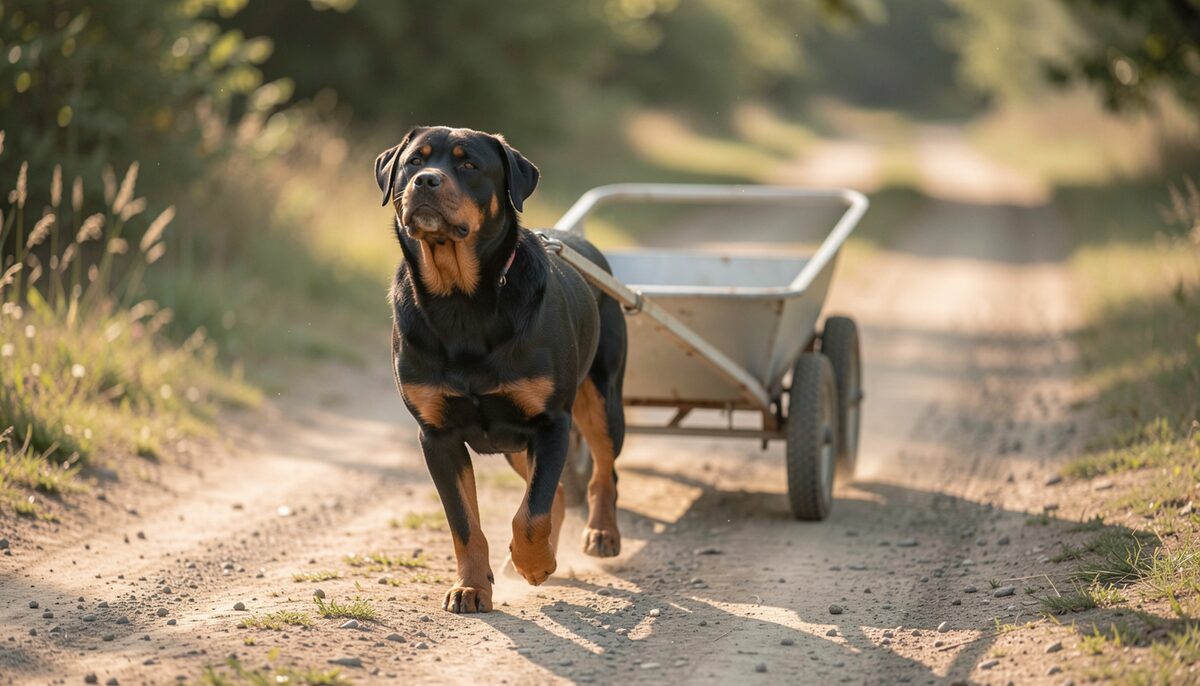
Walks keep a Rottweiler fit, but they ask nothing of him. What obedience, carting, tracking and sport work really require, and what happens without them.
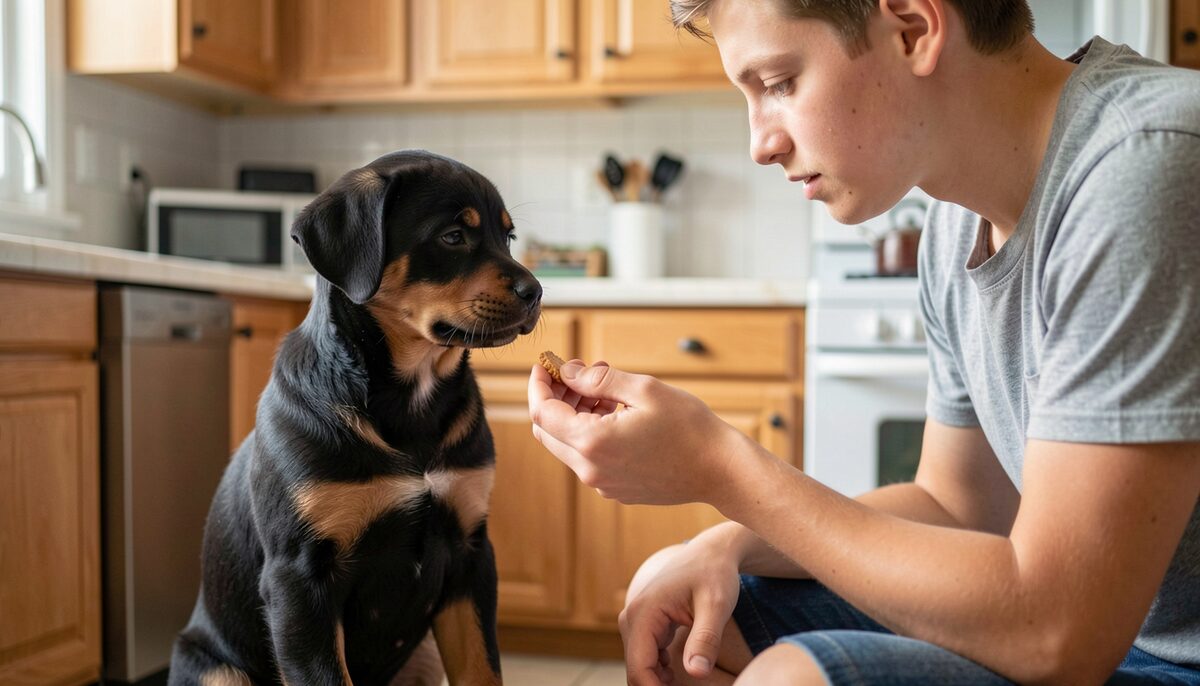
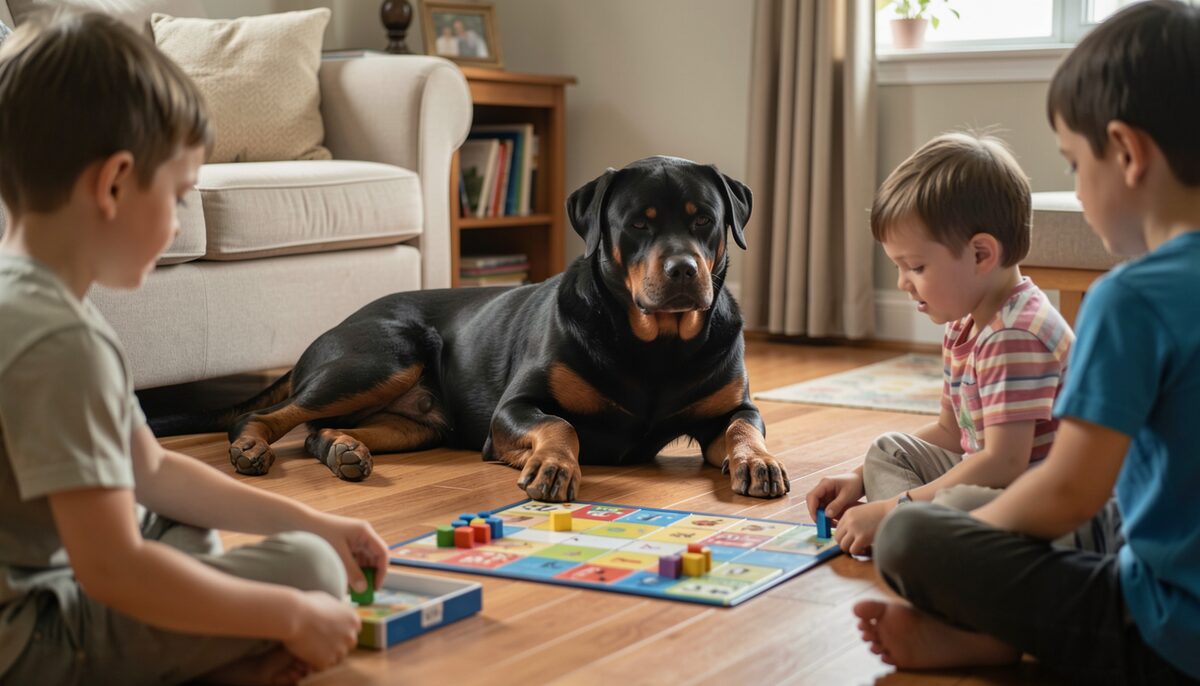
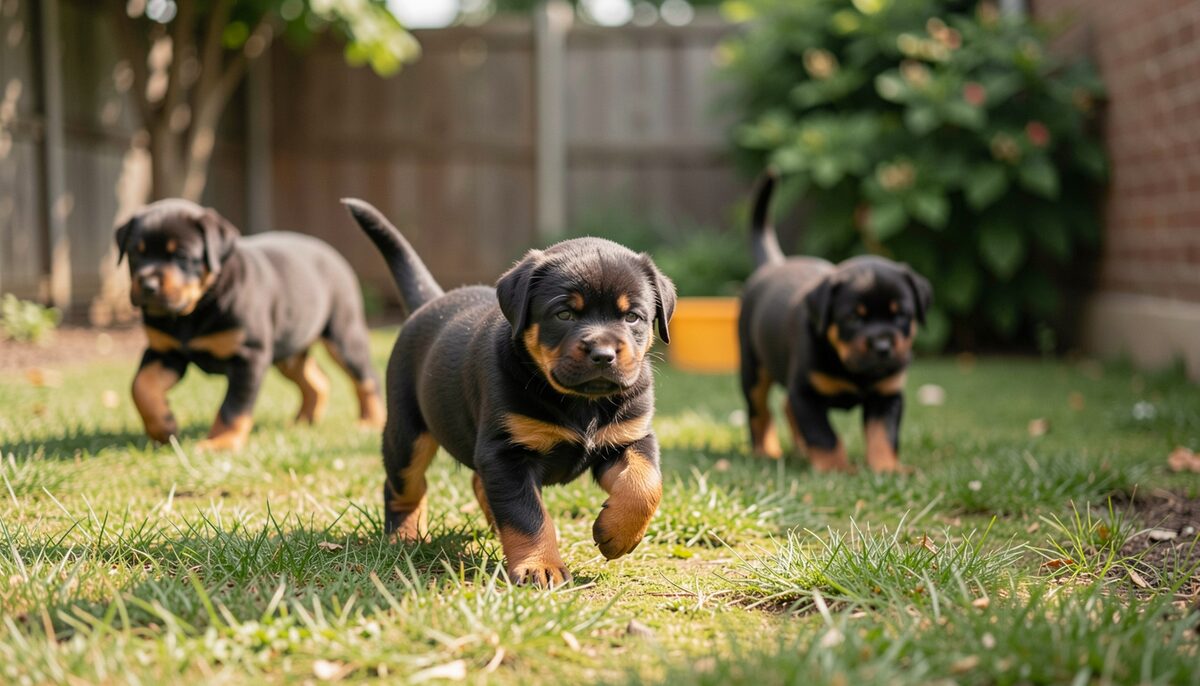
What a young Rottweiler actually needs in its first six months: house rules from day one, training that starts immediately, and socialization that never ends.
Why the kennel decides which puppy goes to which household, what a ten-minute visit in the grass cannot show, and how the match is explained before collection.
Calm confidence, reserve with strangers, a deep bond with the family: what the Rottweiler standard really asks for, and how a breeder scores it in a litter.
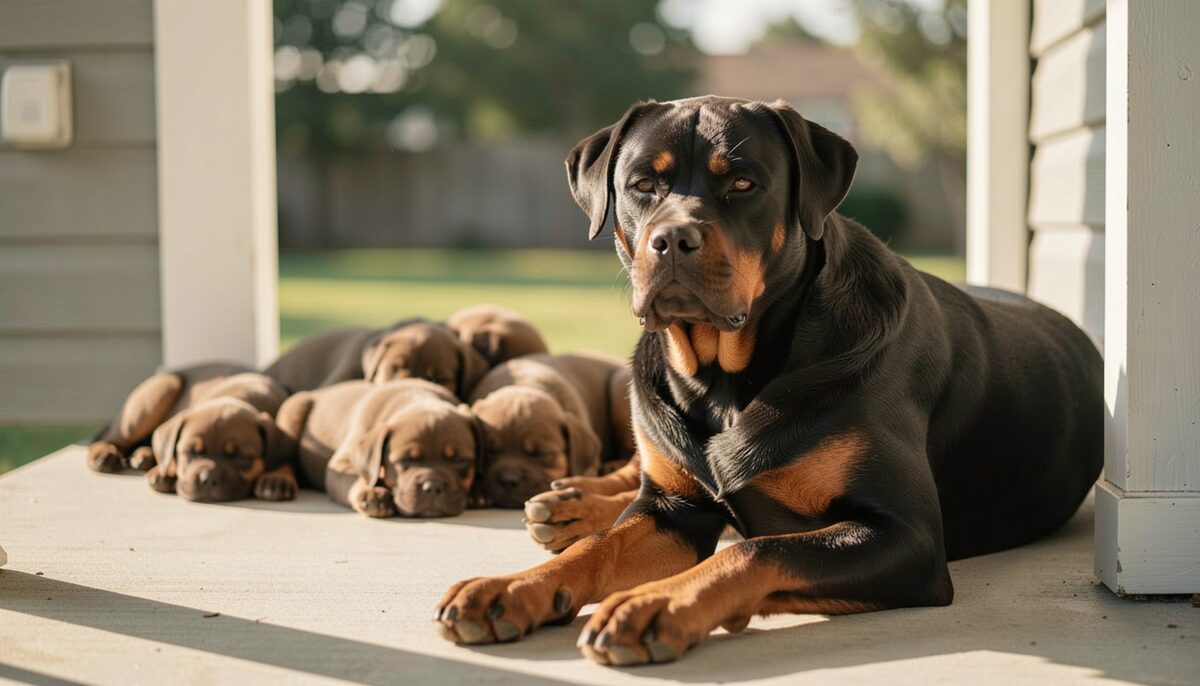
What happens in a Rottweiler litter's first eight weeks: the whelping box record, early stimulation, noise, first trips out, and why the window closes.
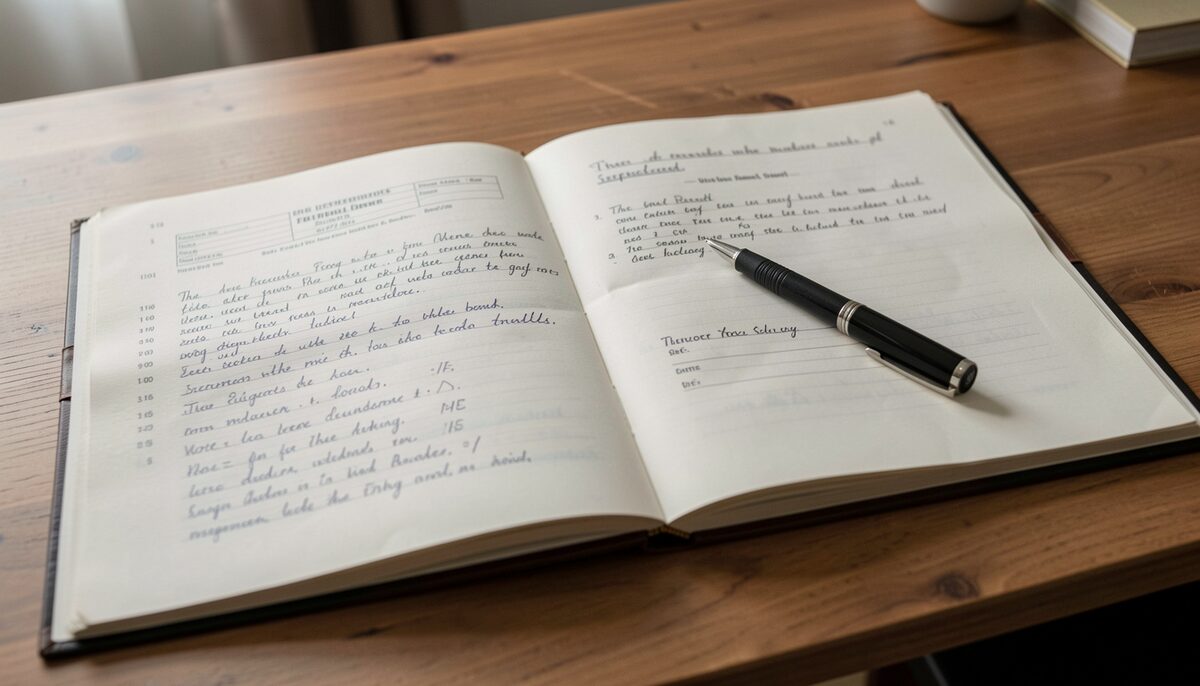
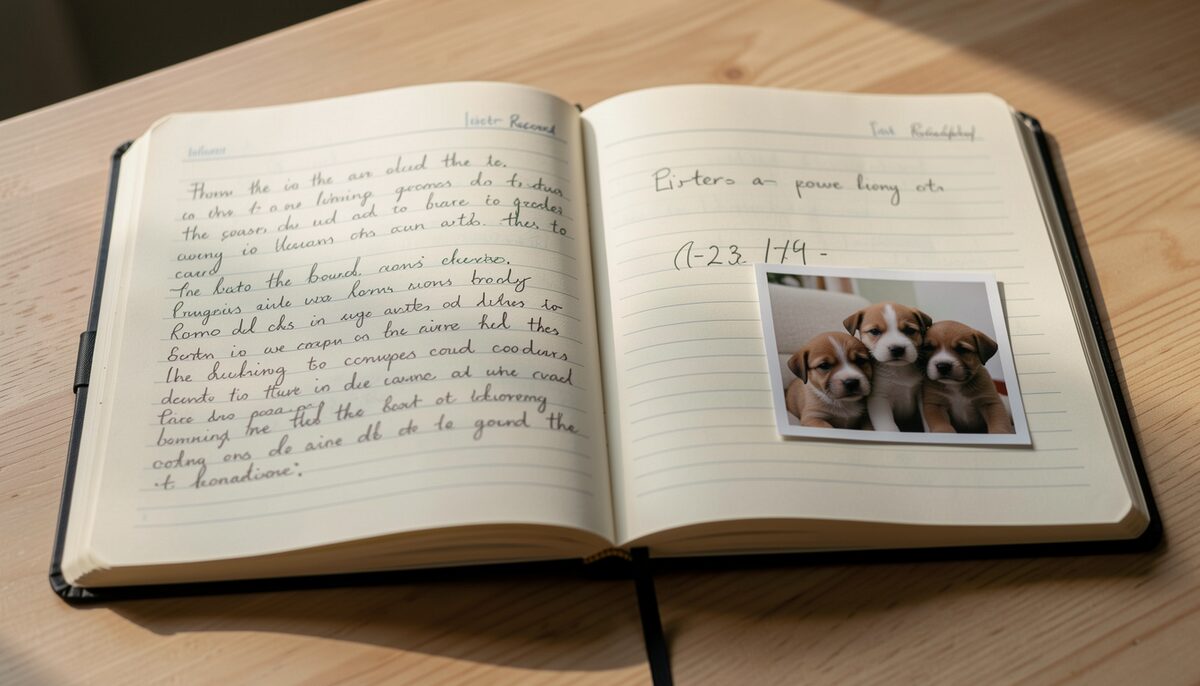
One page per dog, one page per mating: the dated health results, the reason for each pairing and the note written on every puppy, and how a buyer reads them.
What a breeding female's year actually holds: the health tests and breed survey before mating, eight weeks with the litter, and the rest she keeps after.
A litter is planned months before it is born and cared for long after it is sold. What raising one properly costs, and why a waiting list protects the buyer.